November 10, 2026 · By Becky Cummings
Schools of the Future: 5 Switches We Need to Make Now
The children in our classrooms today will graduate into a world none of us can fully picture. The good news: we already know enough to start preparing them, and most of the changes don't require new buildings or bigger budgets. They require us to switch what we value.
Artificial intelligence can now write, calculate, summarize and search faster than any person. Careers are being invented and retired within a single decade. Information is everywhere, and so is misinformation. In that world, a child who can only recall facts and follow directions is at a disadvantage. A child who can think, create, connect with people and keep learning is ready for almost anything.
Most schools were designed for a different century, built around bells, rows and standardized answers. That model served its purpose, but the gap between how school works and how life works is growing every year. Here are five switches every school can start making now.
1. From packed schedulesto open passion time
Children should have open space in their school day: dedicated time to follow their passions. When every minute is scheduled for them, kids never learn what lights them up or how to pursue it. Passion time gives them both.
It can start on day one. At the beginning of the year, teachers can give each child an interest inventory to discover what they're good at, what excites them and where they might want to dig in next.
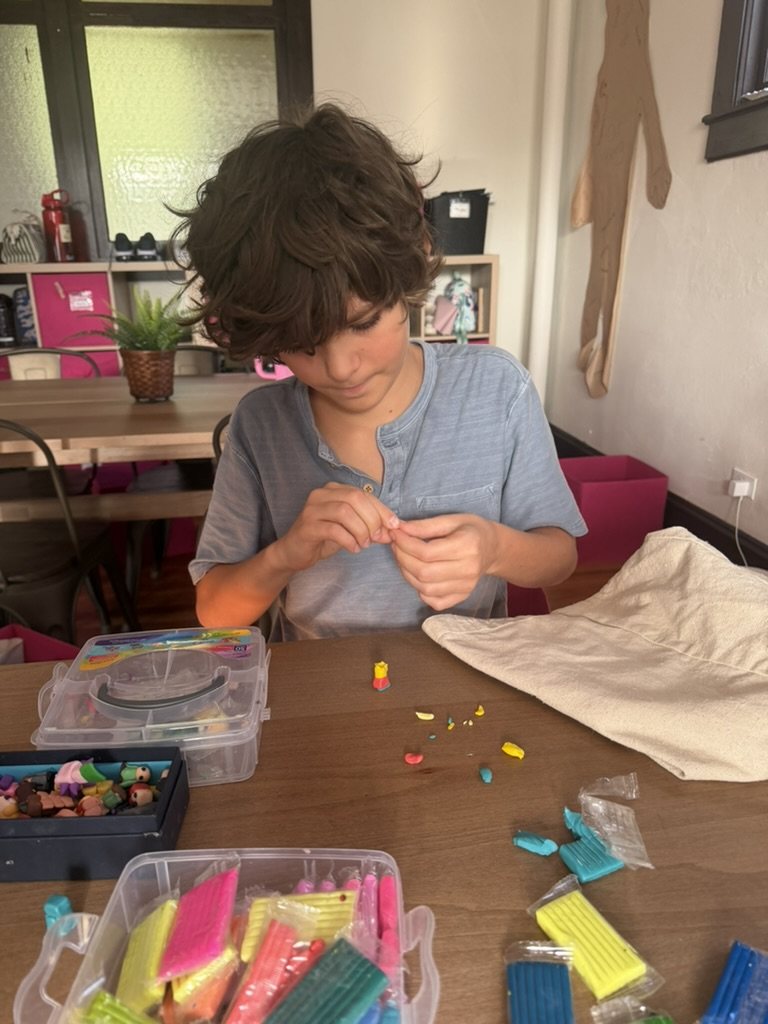
PDFFree Interest-alyzer — Early & Upper ElementaryEnter your email on the Freebies page to unlock both versions of the interest inventory we use at Free Kids Academy. It works at home, too.What it looks like: students work with a mentor, start a club, dive into a research project on a topic they love, or learn a brand-new skill. Some even become the teacher, leading classmates through a skill they love. It's also a time to invite them to try new areas, because today's experiment may become tomorrow's passion.
2. From constant stimulationto time for stillness
In a world overflowing with information, the most important knowledge is knowing yourself. Children are growing up surrounded by noise, notifications and nonstop input, and few of them are ever taught how to slow down inside it. Learning to sit in silence, notice what's happening in their bodies and find their own inner calm is a skill they'll lean on for the rest of their lives.
What it looks like: a brief 5 to 10 minutes every day set aside for stillness. Guided meditations, calming music and simple instruments help children relax their bodies and practice regulating their nervous systems. At Free Kids Academy, we also give students eye masks so they can tune out their senses and go within.
3. From memorizingto creating
The days of memorizing are over. We live in a digital world where any fact is a few seconds away. What can't be looked up is one of our greatest traits as humans: our limitless creativity. Like any muscle, creativity weakens when it isn't used. Our children will need it to find new ways to face challenges and build new systems that serve people better, so it deserves a place in every school day.
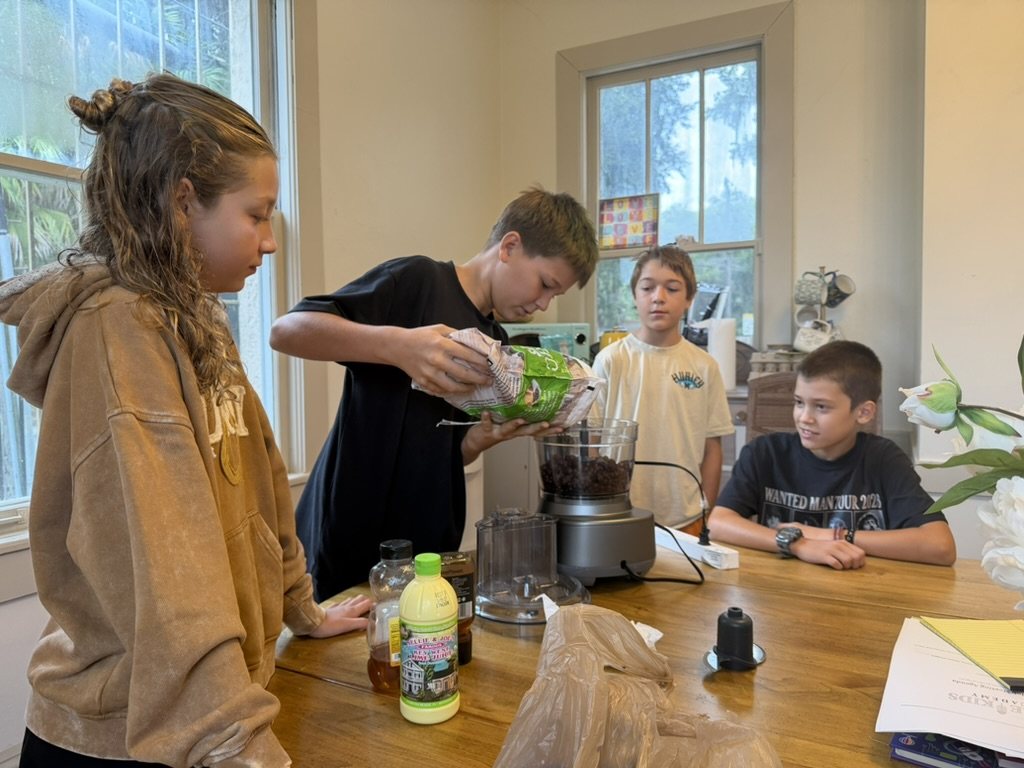
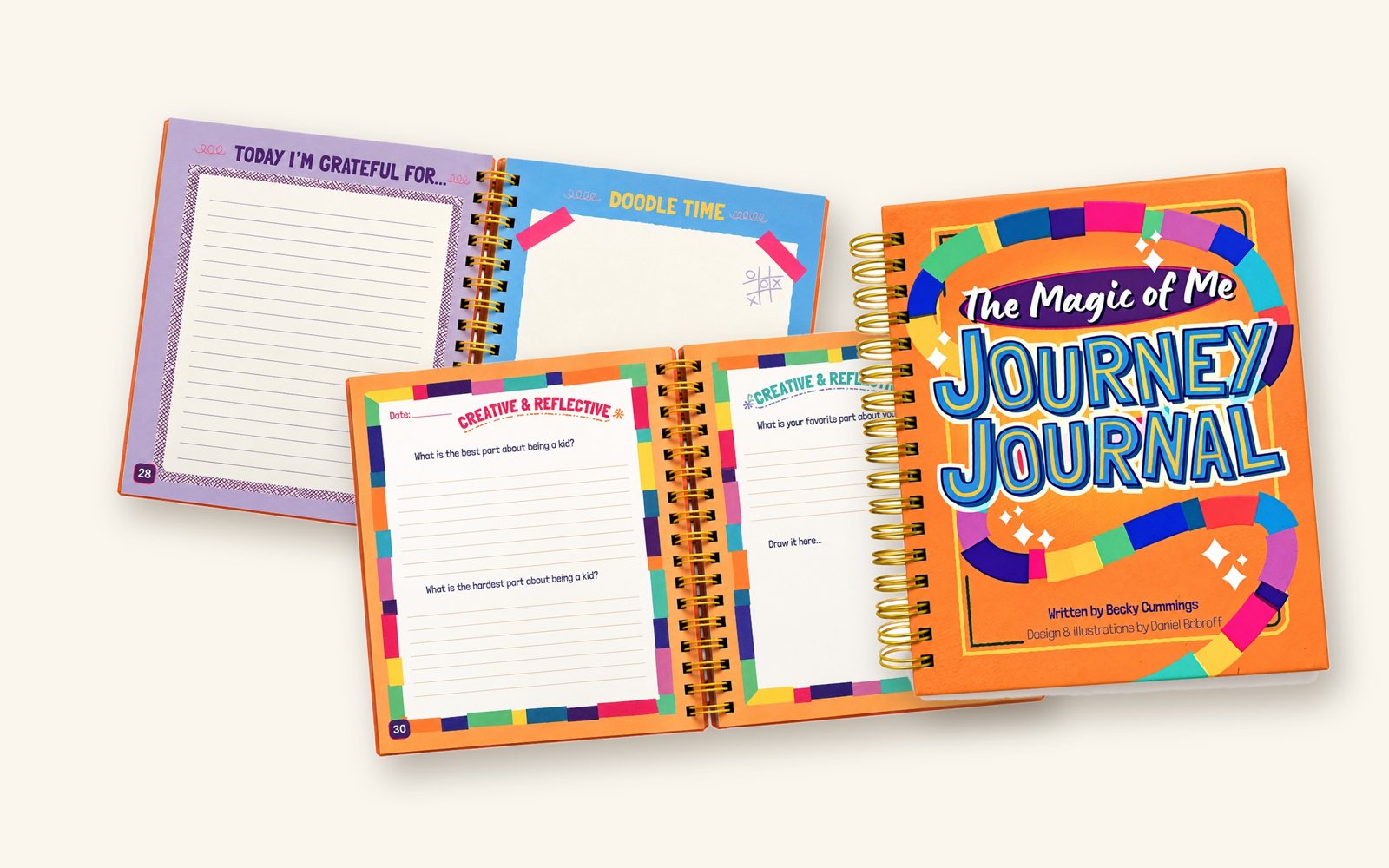
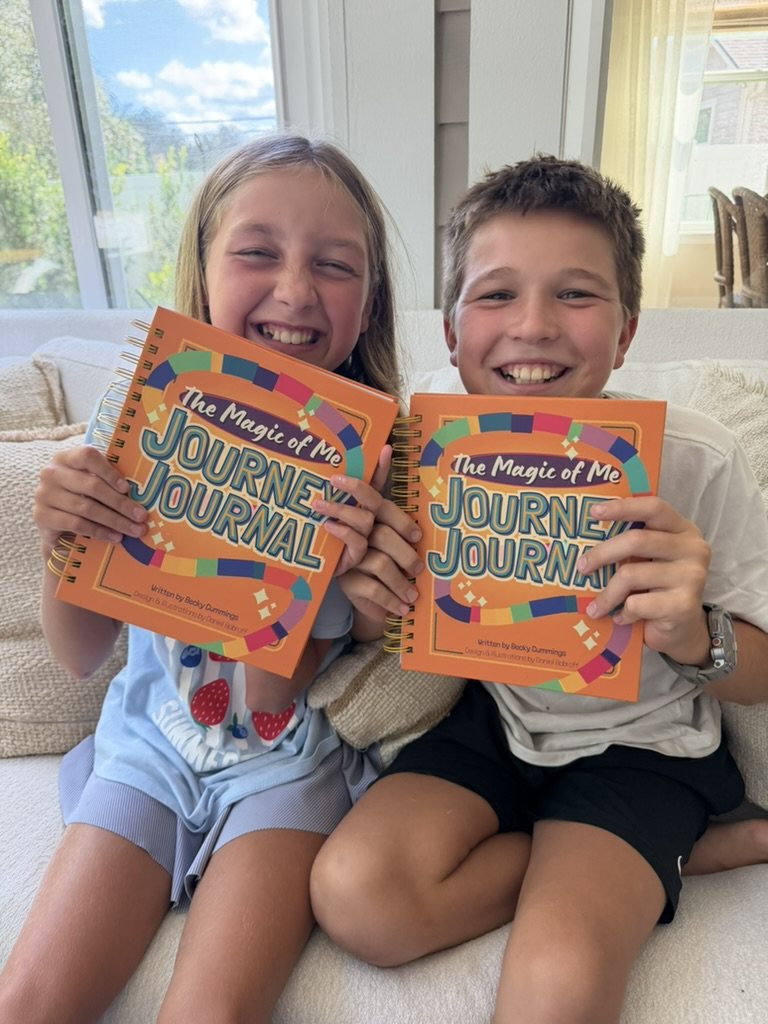
What it looks like: at Free Kids Academy, one way we do this daily is journaling. Our Magic of Me Journey Journal has prompts that ask children to think deeply about big topics and draw on their imagination and their own experiences. As a bonus, it has space for doodling and gratitude. We spend time in it every day, even if only for 5 to 10 minutes. It's a tool for self-regulation and personal expression.
4. From sitting stillto honoring the whole body
The health of the body deserves just as much attention as the health of the mind. Children aren't built to sit in rows for hours, and they learn better when they can move. When movement is part of the school day instead of a reward at the end of it, kids come to class with more focus, energy and joy.
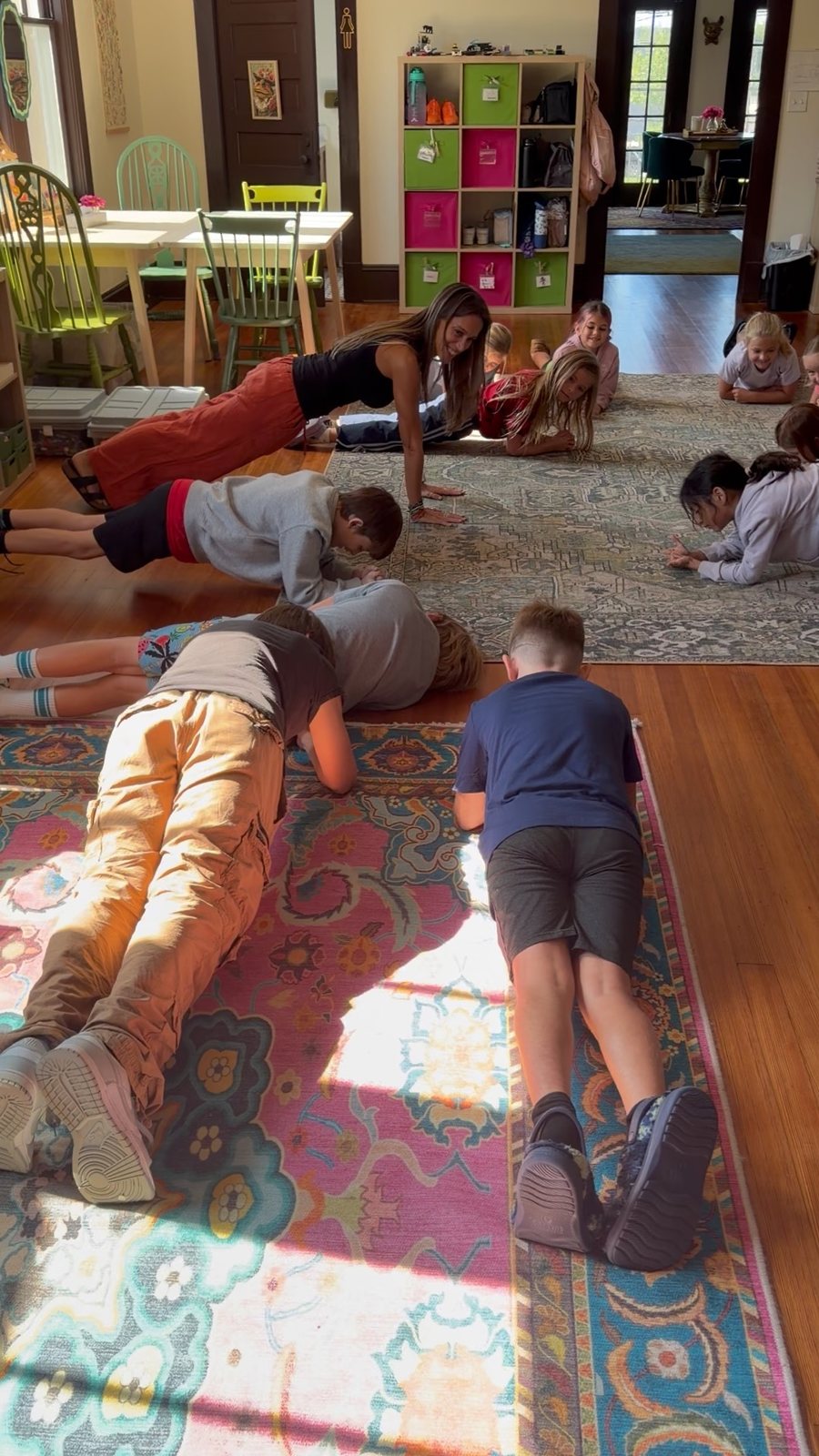
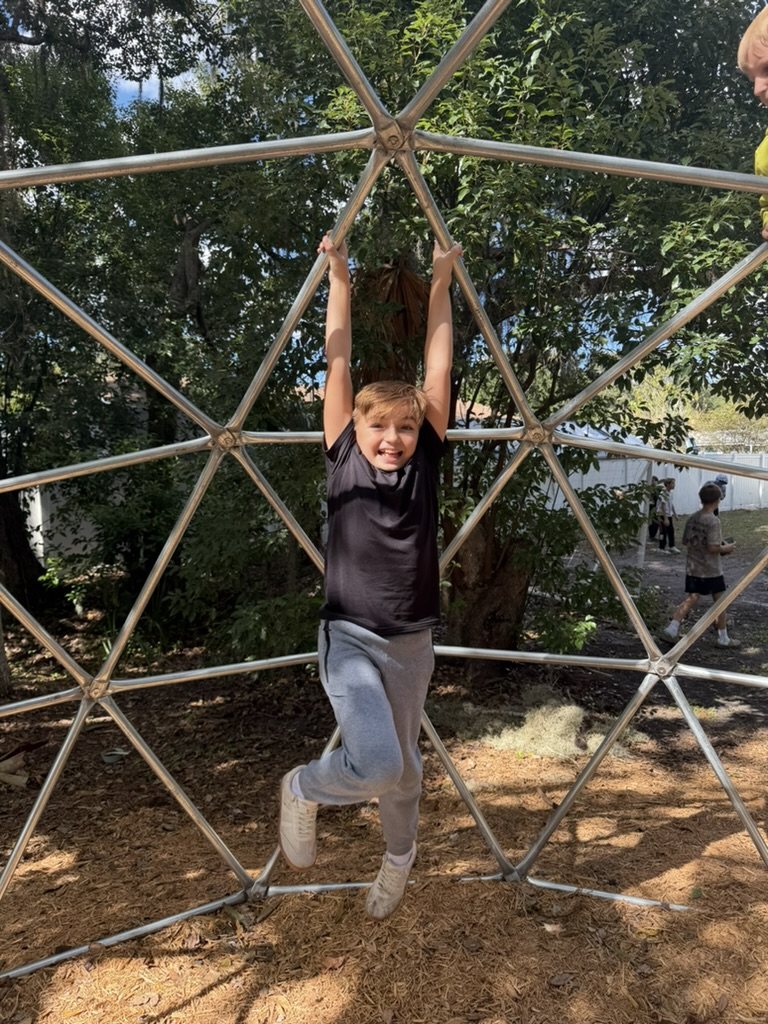
What it looks like: movement built right into learning activities, and a classroom that feels more like a second home than rigid rows of desks. Students work wherever suits them best: at tables, on the floor or standing. Breaks throughout the day build mobility, strength and cardio, and there's time to play outside in the sunshine where students can climb, run and explore.
5. From grade levels and letter gradesto personal learning paths
It's time to release the old language of education: “above,” “on” or “below” grade level, and grades boiled down to a single letter. Those labels tell a child where they rank, not how to grow. Education should focus on authentic learning that children can showcase in a variety of ways.
What it looks like: when students struggle, they don't get a low grade and move on. They keep practicing, try understanding it in a new way (auditory, kinesthetic or visual), go back a few steps, or set it aside and revisit it when they're ready. Each child follows a personal learning path, and projects and portfolios show what they've truly learned. It just makes sense.
Where to start
No school needs to make all five switches at once. Pick one or two, try them for a season, and notice what changes in the children. Small shifts compound quickly when kids feel trusted, curious and connected.
These ideas are at the heart of why we built Free Kids Academy as a holistic school for conscious education. That means we think about what we do and why we do it. Everything is done with intention and with our students' best interests in mind. We see every day what happens when children are given room to question, create and grow at their own pace. They don't just keep up with the future. They help shape it.
Parents, you have more influence than you think. Ask your child's school which of these switches they're working on, and try a few at home. The future is coming either way; let's make sure our kids are ready to meet it.