
September 24, 2026 · By Becky Cummings
Wired at Bedtime? Your Child Might Just Be Tired
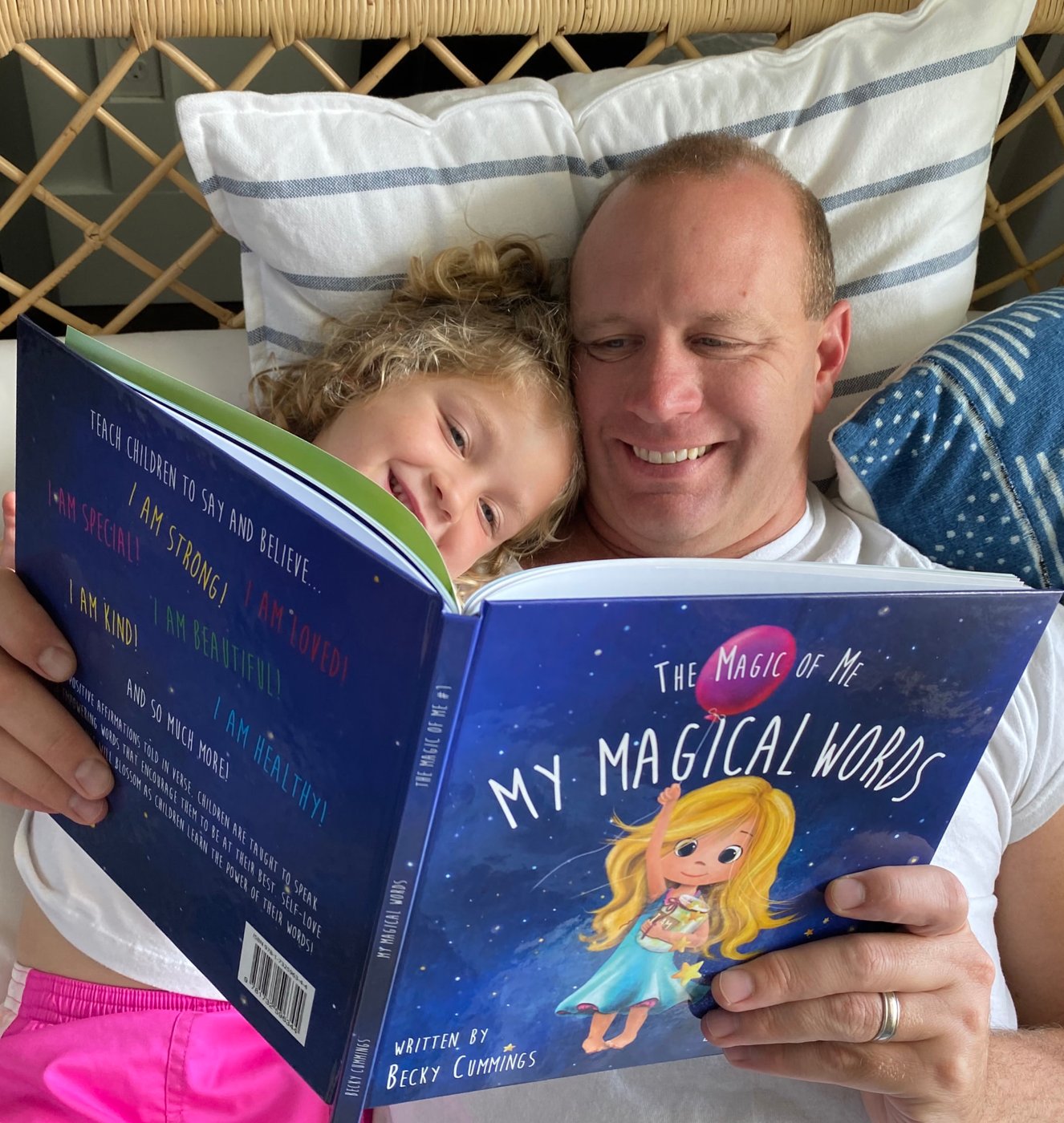
By Becky Cummings, children's author and co-founder of Free Kids Academy
It's 8:30 p.m. You've done the bath, brushed teeth and read the story. Then suddenly your child is doing cartwheels off the couch, giggling wildly, arguing about pajamas and melting down over the “wrong” cup of water.
It's easy to think, How do they have this much energy right now?
Here's what I've learned as a mom, an educator and a children's author: that burst of energy at night often isn't energy at all. It's exhaustion in disguise.
The “Second Wind” Is Real
When children stay up past their natural sleep window, their bodies release more stress hormones, like cortisol, to keep them going. The result looks like energy: silliness, running around, pushing limits and big emotions that seem to come out of nowhere.
What looks like “not tired” is usually overtired. By the time we see the zoomies, we've often already missed the window.

Catch the Window Before It Closes
Sleepy cues can be subtle. Watch for:
- Rubbing eyes or ears, or yawning
- Zoning out or staring off
- Getting clumsy, whiny or clingy
- Small frustrations turning into big reactions
- A sudden burst of hyper energy after a quiet stretch
When you see these signs, start winding down, even if the clock says it's “too early.”
Reframing Tricky Bedtime Behavior
When bedtime turns into a battle, I invite parents to get curious before getting frustrated. Ask yourself:
- Did they get enough rest last night?
- Was today extra full, loud or emotional?
- Have we been drifting later all week?
Many bedtime “behavior problems” are really unmet needs: sleep, connection and calm. A tired nervous system can't regulate itself. It needs us to be the calm.
Simple Ways to Get Back on Track
- Try an earlier bedtime. It sounds backward, but moving bedtime 15 to 30 minutes earlier for a week often makes nights easier.
- Keep it predictable. Children feel safe when they know what comes next. Start a calm routine 45 to 60 minutes before lights-out: dim the lights and turn off screens, warm bath, prep for tomorrow, quiet connection time, then lights out at the same time each night.
- Lower the lights and the energy. Save wrestling and tickle fights for earlier in the evening. After dinner, keep things slow and quiet.
- Connect before you correct. Ten minutes of undivided attention with snuggles, a story and “What was your favorite part of today?” can save an hour of stalling.
- Give the busy mind somewhere to go. Books, breathing and music help children shift from “go” to “slow.”
Our Favorite Bedtime Tools
Books for winding down
- My Magical Words — gentle affirmations that help children end the day feeling loved, capable and calm.
- My Magical Feelings — helps children name and work through big feelings, perfect after a full or emotional day.
- My Magical Moods — 13 healthy ways kids can lift their mood, including a cozy “I can sleep” page that shows how rest helps us feel our best.
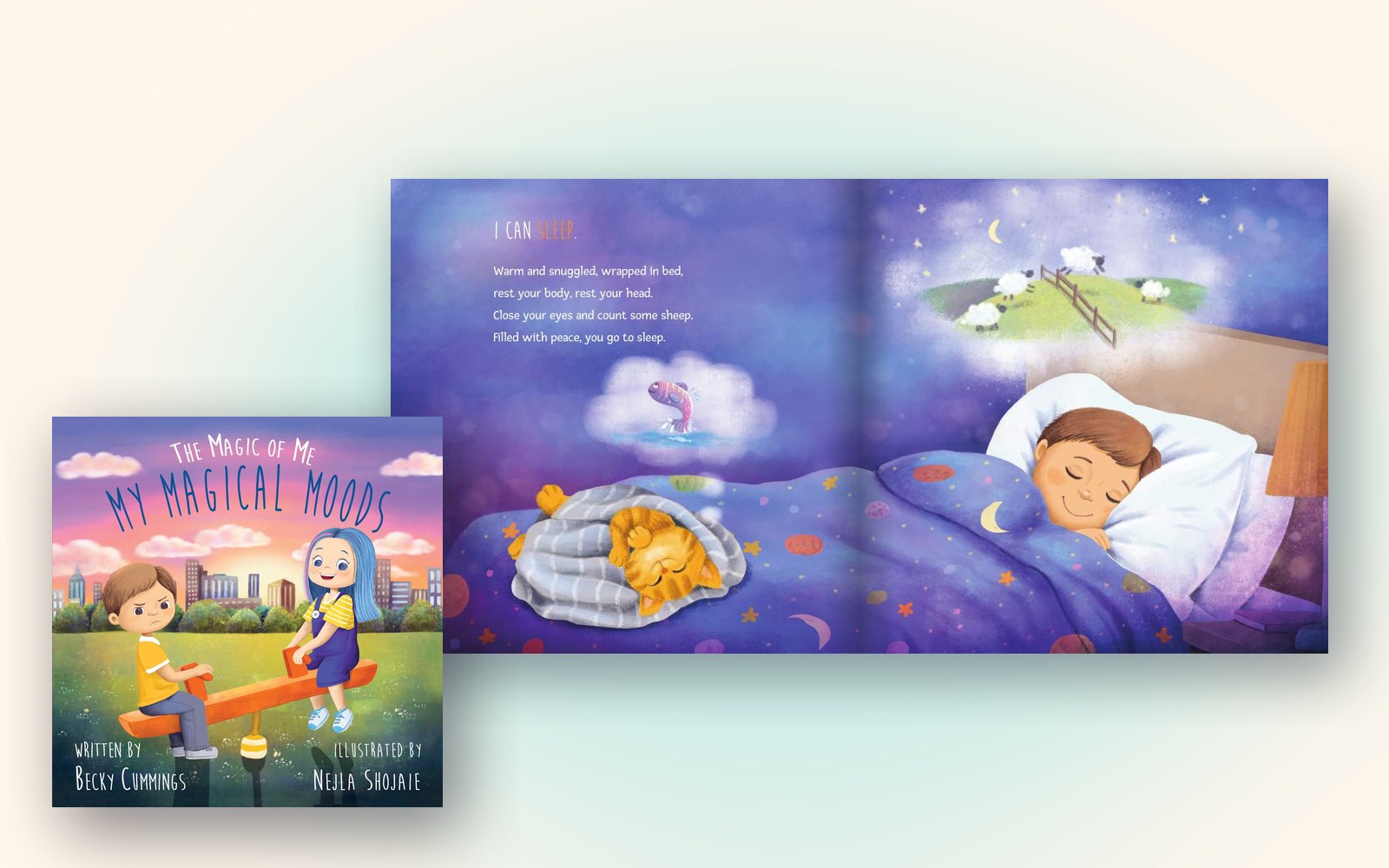
Get My Magical Moods here, or find all three at authorbcummings.com.
Songs for sleepy time
- The Rainbow Waterfall — a guided meditation that takes children on a peaceful imaginary journey to calm body and mind. Listen on Spotify.
- Golden Heart Sleep — a soft song of affirmations to fill their hearts as they drift off. Listen on Spotify.
You can play both right on our music page.
Try This Together
“Smell the flower… blow out the candle.”
Three slow breaths can change the whole mood of the room.
Want to see it in action? Here's a peek at kids practicing their breathing with a Hoberman breathing ball — one of our favorite calm-down tools from Free Kids Academy:
How Much Sleep Do Kids Need?
- Preschool (ages 3 to 5): 10 to 13 hours
- Early elementary (ages 6 to 8): 9 to 12 hours
- Upper elementary (ages 9 to 11): 9 to 11 hours
- Middle school (ages 12 to 13): 9 to 11 hours
General guidelines from pediatric sleep experts, from our Rise & Shine Sleep Guide.
A Gentle Reminder
Some nights will still be hard, and that's okay. You're not failing, and your child isn't “bad.” You're both learning.
At Free Kids Academy, we believe a well-rested child is a more joyful, curious and capable one. Rest is part of learning.
Sweet dreams,
Becky
PDFFree download: Rise & Shine Sleep GuideEnter your email on the Freebies page to unlock the printable wind-down routine and natural sleep tips.This post is for general information only and isn't medical advice. If your child has ongoing sleep trouble, snoring or night terrors, please talk with your pediatrician.